not a fan of takoyaki, only because of this counter always have long queue of cuatomers, then I try to buy some. my wife said it's delicious.
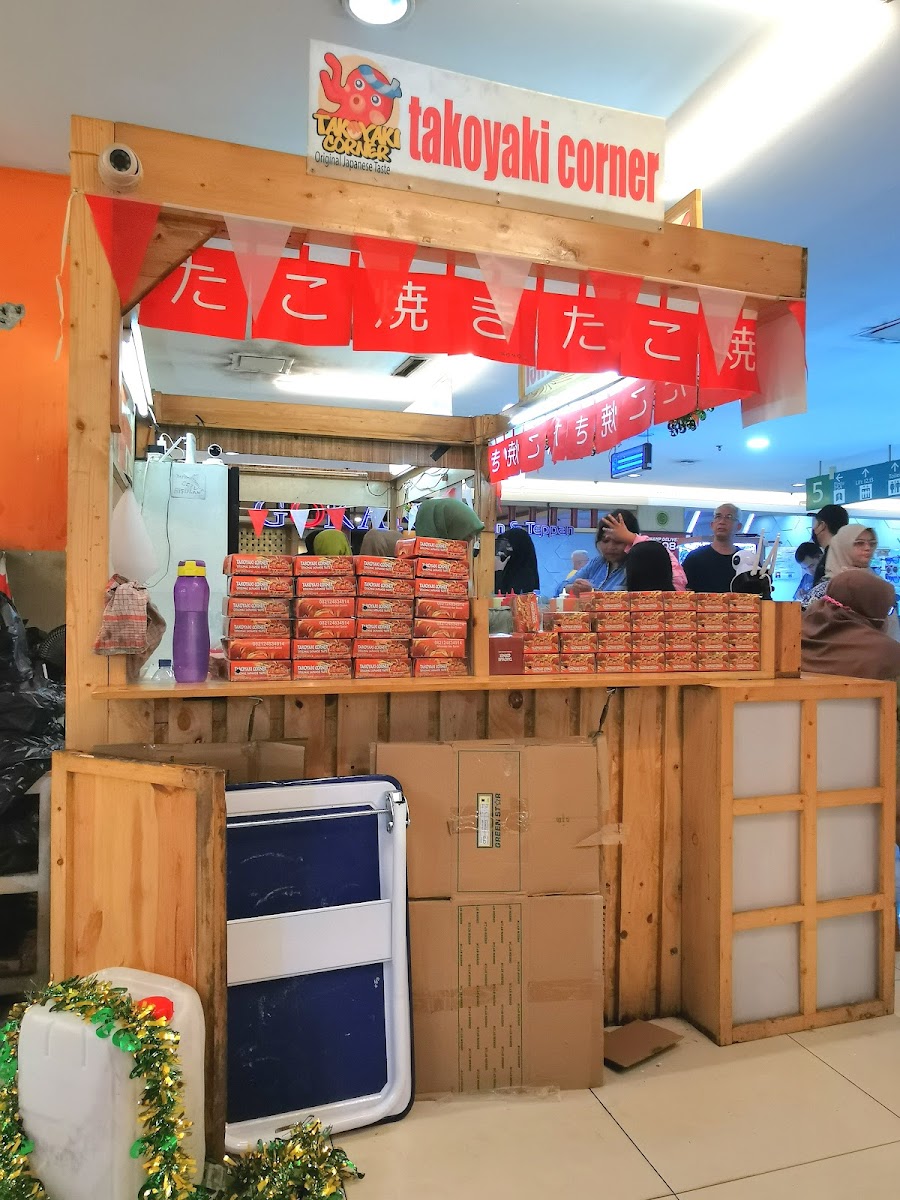
Overview
Walking into Takoyaki Corner for the first time at Blok M Square Lantai, Jl. Melawai 5 5 #BCT032, RT.3/RW.1, Melawai, Kec. Kby. Baru, Kota Jakarta Selatan, Daerah Khusus Ibukota Jakarta 12160, Indonesia, feels a bit like stumbling onto a cozy street stall in Osaka-except you’re still very much in South Jakarta. I’ve eaten takoyaki in a lot of places over the years, from night markets to polished malls, and this spot instantly reminded me why this snack has such a loyal following. The aroma of batter hitting a hot iron pan is hard to ignore, and it pulls you in before you even glance at the menu.
The cooking process here is part of the charm. You can watch the staff pour the batter, drop in diced octopus, and flip each ball with quick, practiced movements. That flipping technique isn’t random; it’s a method that Japanese vendors have refined for decades to create a crisp outside with a soft, custardy inside. According to food historians from the Osaka Food Culture Association, takoyaki originated in the 1930s and became popular because it was affordable, filling, and fast to make. Seeing that same process recreated here adds a layer of authenticity that’s easy to appreciate.
From my own experience, consistency is where many takoyaki stalls fall short, but this place keeps things steady. On multiple visits, the texture stayed spot-on-no soggy centers, no burnt shells. The menu focuses on the essentials, which I actually like. Instead of overwhelming you with gimmicks, it sticks to classic flavors and sauces. The balance between savory batter, tender octopus, sweet-savory sauce, and bonito flakes feels deliberate. A friend of mine, who reviews casual eateries as a hobby, once said that good takoyaki should taste complete even without extra toppings, and this is a solid example of that idea in action.
Nutritionally, takoyaki often gets dismissed as pure indulgence, but there’s more going on. Octopus is a lean source of protein and contains minerals like iron and vitamin B12. Data from the USDA FoodData Central shows octopus is relatively low in fat compared to many other street food proteins. Of course, it’s still a treat, especially with sauce and mayo, but it’s not as empty as people assume. That balance probably explains why it remains popular across age groups.
What stands out in reviews-both online and from people I’ve chatted with at nearby tables-is the reliability. Regulars mention that the taste doesn’t change depending on who’s cooking, which is a big deal in small food operations. The location inside Blok M Square also makes it convenient. Whether you’re shopping, waiting for friends, or just killing time before heading home, it’s an easy stop. I’ve personally grabbed a box here before a movie and again after, and it worked both times as a quick snack and a late bite.
There are limits, of course. Seating is minimal, so this isn’t the place for a long hangout or a big group meal. It’s more of a grab-and-go or quick sit-down experience. But that limitation fits the concept. Takoyaki was never meant to be fancy dining; it’s meant to be comforting, quick, and satisfying. In that sense, the stall stays true to what it’s offering.
If you’re someone who values straightforward food done well, this spot makes a strong case for itself. Between the hands-on preparation, focused menu, and consistently positive feedback, it’s easy to see why people keep coming back. Every visit I’ve had reinforces the same thought: sometimes the simplest dishes, when made with care and experience, leave the strongest impression.
Good to know
Service options
✓ Takeaway ✓ Dine-inPopular for
✓ Lunch ✓ Dinner ✓ Solo diningOfferings
✓ Halal food ✓ Quick biteDining options
✓ Lunch ✓ DinnerAtmosphere
✓ CasualCrowd
✓ Groups ✓ University studentsPayments
✓ Debit cards ✓ NFC mobile paymentsChildren
✓ Good for kidsPhotos
1 / 4
Location
Reviews
- No ratings yet 128 reviews
Taste good but not so special. The stall is very interesting because you can see they make the food and they put the octopus, beef, and other materials on the table so you can see they use a fresh food. It has a long queue but worth to try for the first time.
loved it ! even when I'm full I knew I needed this :)